Laayoune-Sakia El Hamra
Laayoune
Administrative hub of Morocco's southern provinces.
Laayoune at a glance
- Region
- Laayoune-Sakia El Hamra
- Province or prefecture
- Laayoune (province)
- Status
- Regional capital
- Population
- 217,732 (2014 census)
- Area
- Not available
- Elevation
- 64 m
- Coordinates
- 27.125, -13.162
- Postal code
- 70000
- Phone area code
- +212 528
- Time zone
- Africa/Casablanca (see note on Ramadan)
- Local names
- Laâyoune (French) · العيون (Arabic)
- Best time to visit
- Year-round; wind-sports season runs roughly April to October
Population is from the 2014 census (HCP) and is being updated. Climate figures are indicative regional profiles. Confirm details with official sources before relying on them.
About Laayoune
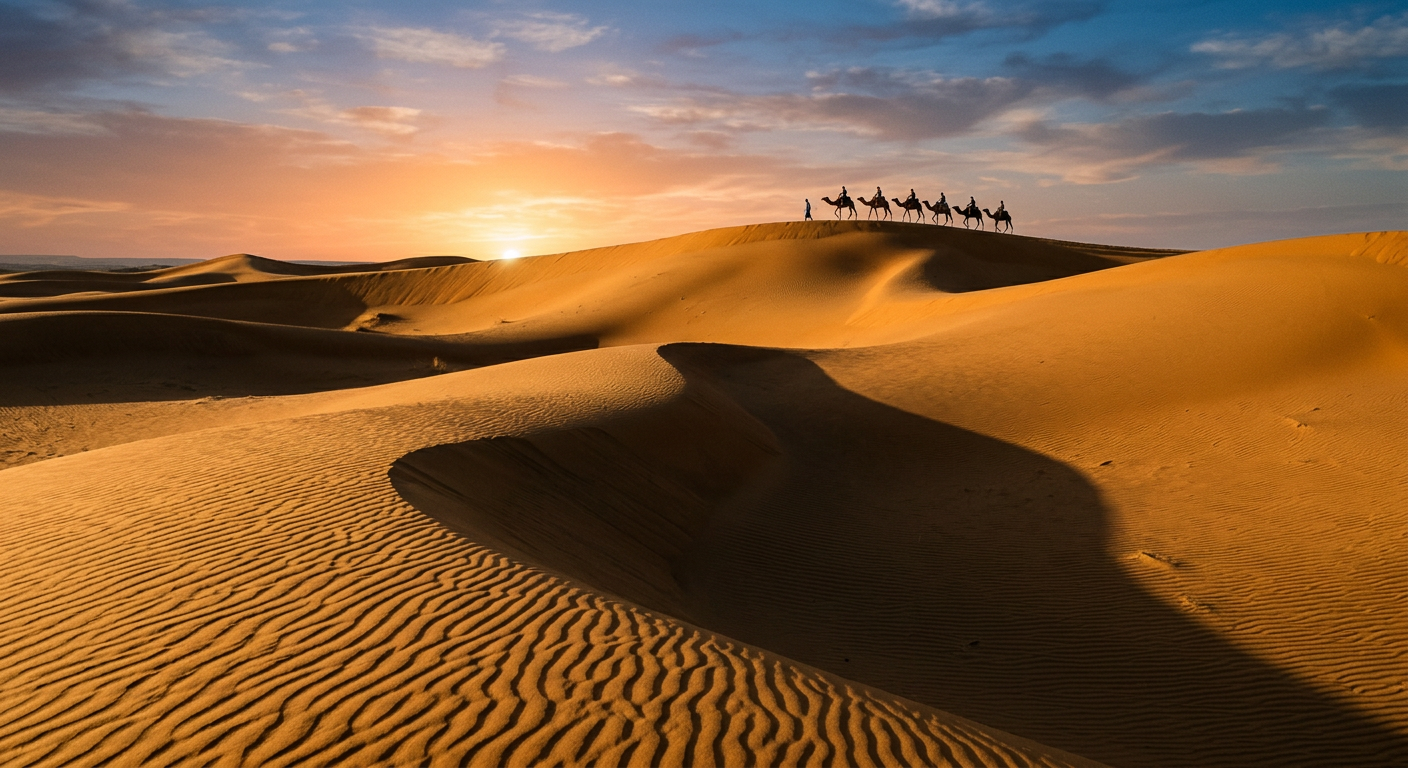
Laayoune is the largest city of the southern provinces, set between the Atlantic coast and the Sakia El Hamra valley, with wide avenues, beaches at Foum el Oued and desert dunes nearby.
History
Modern Laayoune grew rapidly from a small settlement from the mid-20th century. Morocco administers the city as the capital of Laayoune-Sakia El Hamra.
Things to see in Laayoune
- Foum el Oued beach
- Dunes near the city
- Hassan I Mosque
- Tarfaya (about 100 km)
Climate and best time to visit
Saharan coast. Arid, mild and windy with almost no rainfall. Coastal fog and cool breezes keep summer heat moderate.
Best time to visit: Year-round; wind-sports season runs roughly April to October. Indicative regional profile.
Getting to Laayoune
- By air
- Laayoune Hassan I Airport (EUN), about 5 km from the centre.
- By train
- There is no ONCF station; buses and flights serve the city.
- By bus
- CTM, Supratours and regional bus companies serve most routes; grand taxis cover shorter hops. Check current schedules.
- By road
- Reached by national roads and, on many routes, the motorway network. Check road conditions in winter, especially in mountain areas.
Economy
Public services, fishing, phosphate shipping from Boucraa, renewable energy and trade.
Food and drink
Saharan tea ceremony, camel and goat dishes, and Atlantic fish.
Festivals and events
Cultural events and regional moussems; check listings.
Where to stay
Laayoune has a full range of accommodation, from international hotels to guesthouses and, in historic quarters, traditional riads and dars. Staying inside or near the old town makes it easier to explore on foot.